
Application
For VOC exhaust treatment pipelines in the semiconductor industry, the most recommended preferred material is polytetrafluoroethylene (PTFE), also commonly known as Teflon flexible connectors.Semiconductor exhaust gases are typically high-temperature and highly corrosive, posing stringent requirements for material selection. To ensure long-term stable operation of the system, mainstream materials can be categorized into the following types:**Preferred Choice: Fluoroplastics (PTFE)· Excellent Performance: PTFE is resistant to erosion by almost all chemical substances, acting as a 'countermeasure' against strong acids, strong alkalis, and organic solvents; it can withstand temperatures up to 260°C, meeting the needs of most high-temperature VOC exhaust gases; its extremely smooth surface ensures low friction, non-stick properties, and prevents contamination of high-purity gases.· Applicable Scenarios: The first choice for treating corrosive gases containing HF, HCl, etc., and is highly suitable for occasions with extremely high requirements for gas purity.**High-Performance Elastomers (Fluorocarbon Rubber / Silicone Rubber)· Fluorocarbon Rubber (FKM/Viton): Offers excellent chemical resistance, particularly effective against oils and organic solvents, and can operate continuously at approximately 200°C.· Silicone Rubber: Exhibits excellent temperature resistance (up to about 200°C) and also possesses flexibility, aging resistance, and a certain degree of corrosion resistance.· Classic Combination: Teflon-lined rubber joints: Provide elasticity and sealing through fluorocarbon rubber, while PTFE lining resists corrosion, 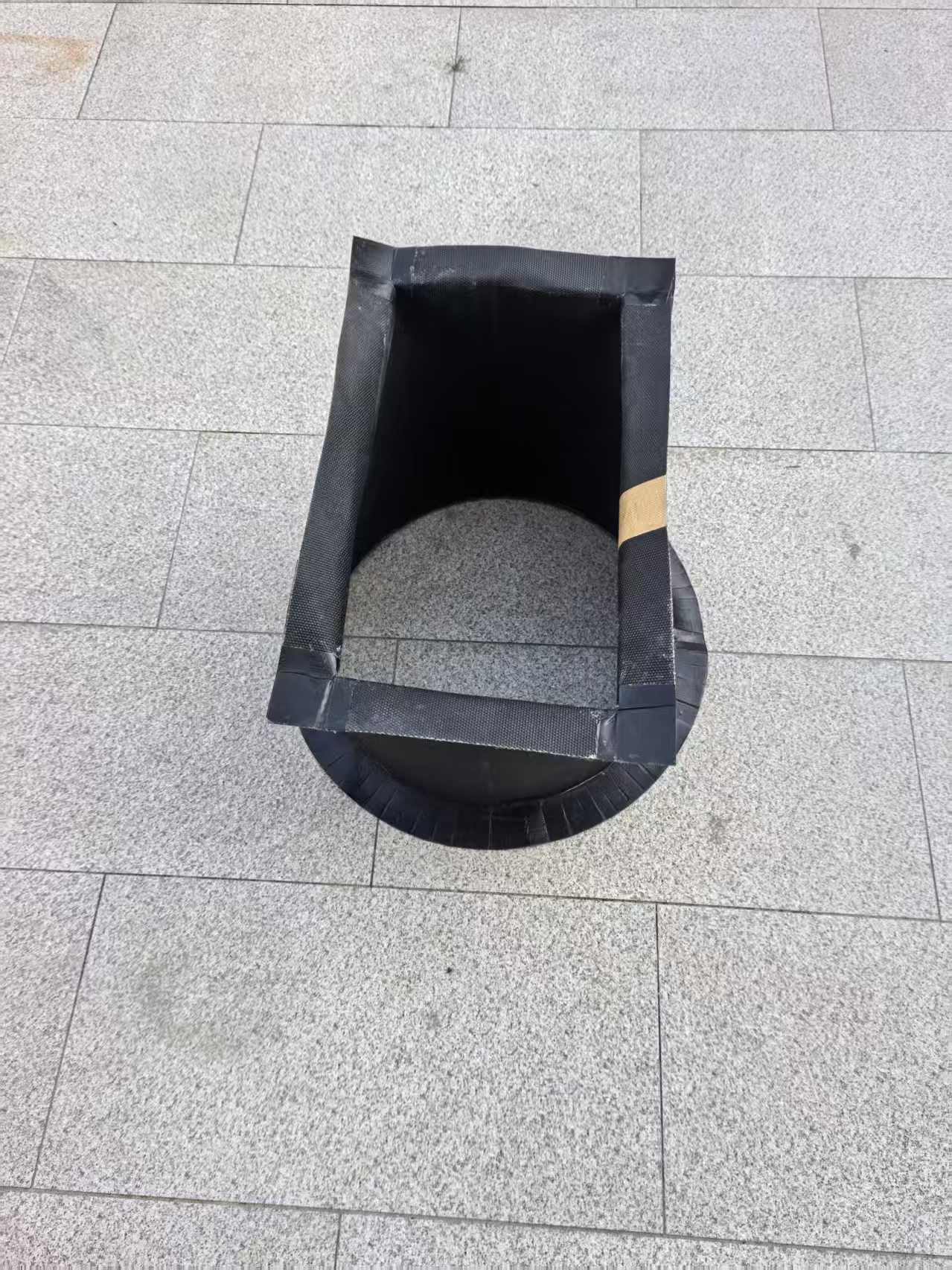 the advantages of both.Overall, PTFE material, with its outstanding advantages such as 'strong chemical inertness, wide temperature resistance range, and non-stick surface', perfectly meets the strict requirements of the semiconductor industry for exhaust treatment systems, including 'high safety, high reliability, and low maintenance cost'. Its long-term durability also results in lower total cost of ownership.**Selection and Maintenance Recommendations1. Professional Consultation: Final selection is recommended to consult professional exhaust treatment system suppliers or flexible connector manufacturers (Taixing City Yingxing Composite Materials Co., Ltd.), and custom matching should be carried out based on specific exhaust gas components, temperature, and other parameters.2. Auxiliary Component Confirmation: Ensure the material of auxiliary components such as flanges, gaskets, and seals to guarantee the corrosion resistance of the entire pipeline interface.3. Compliance Inspection: Design and installation must comply with relevant fire safety regulations to ensure pipeline safety.4. Regular Inspections: It is recommended to regularly check for signs of aging, wear, or deformation of the flexible connectors. In high-temperature or strongly corrosive environments, the replacement cycle should be shortened.
